
Programs That Meet You Where You Are
Every JB Per4mance program starts with an assessment and develops through purposeful, progressive coaching. Choose a pathway below or book an assessment so Coach B can recommend the right starting point.
Fall Prevention
Build strength, balance, mobility, coordination, and confidence through a structured program designed around safer everyday movement.
Screening and Conversation
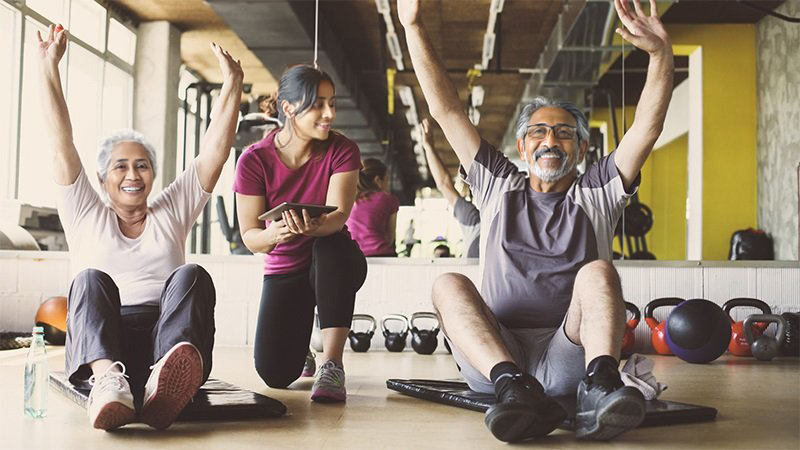
Every program begins by learning about you. Coach B reviews your goals, activity level, training experience, daily routines, current concerns, and the movements that feel difficult or uncertain.
The screening is not a pass-or-fail test. It establishes a practical starting point and helps determine which movements can be trained safely within a fitness setting. Clients with new pain, dizziness, recent injuries, or unresolved medical concerns may be referred to an appropriate healthcare professional before continuing.
What we discuss
- Personal goals and daily movement needs
- Previous falls or changes in confidence
- Exercise experience and available equipment
- Home, work, recreation, and community demands
- Scheduling, location, and virtual-training options
Risk and Movement Identification
Falls rarely have a single cause. Strength, vision, sensation, reaction time, medication, footwear, attention, health conditions, and the environment can all influence stability. Fitness coaching cannot control every factor, but it can identify trainable qualities that may support steadier movement.
Coach B observes foundational patterns such as standing balance, weight shifting, stepping, sit-to-stand ability, walking mechanics, lower-body control, and coordination. The goal is to understand which physical qualities deserve priority.
Areas we may observe
- Lower-body and trunk strength
- Static and dynamic balance
- Foot placement and stepping control
- Mobility needed for daily tasks
- Confidence during movement transitions
Movement and Functional Assessment
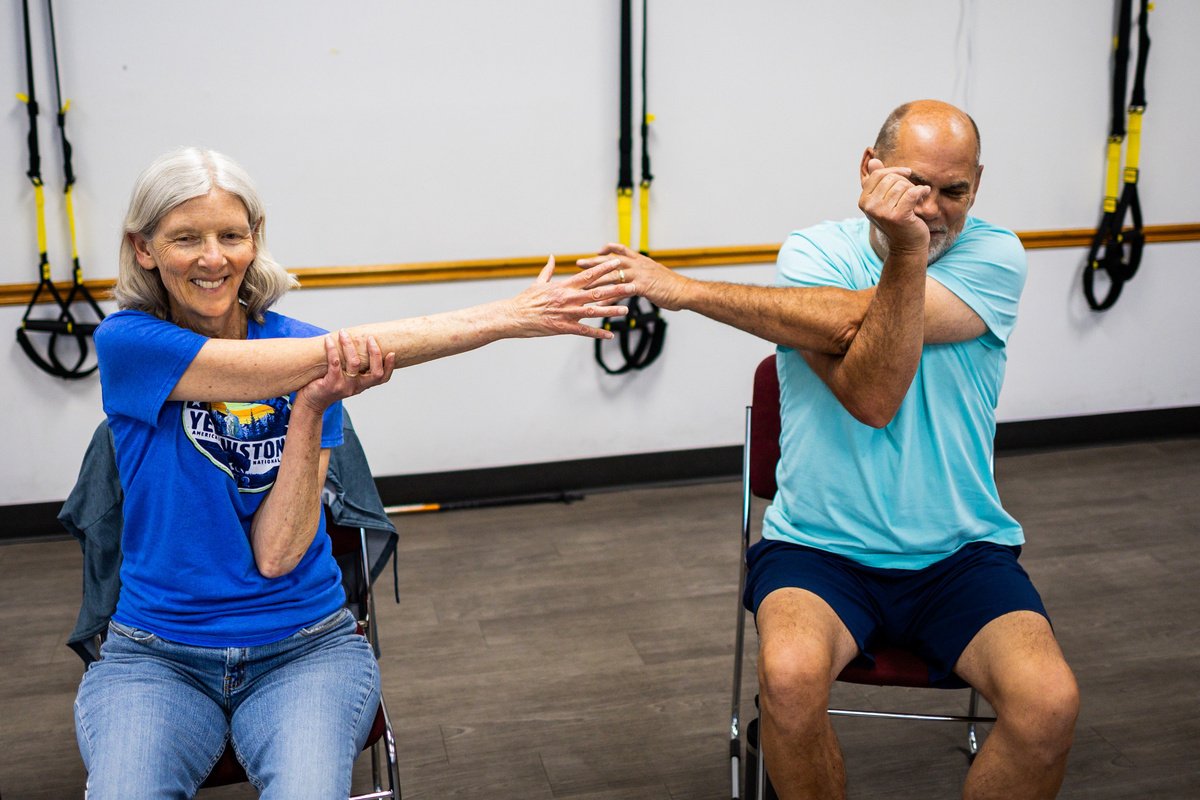
A functional assessment connects exercise to real life. Coach B looks at how you organize common movement patterns and which variations allow you to train with appropriate challenge and control.
Assessments may include supported balance positions, controlled reaching, chair transfers, changes of direction, carrying patterns, and other tasks relevant to your goals. Stable supports are used when needed, and every activity is adapted to the individual.
Assessment priorities
- Movement quality before speed
- Appropriate use of support
- Range of motion and body awareness
- Consistency across repetitions
- A clear baseline for future progress
Personalized Program Design
Your program is organized around the priorities identified during the assessment. Sessions may combine mobility, lower-body strength, trunk control, balance practice, stepping strategies, coordination, and practical movement patterns.
Progression is gradual and purposeful. Improvement may mean additional resistance, greater range of motion, better balance control, less assistance, more confident stepping, or smoother daily movement. The program changes as your abilities and goals change.
Your plan may include
- Supported and unsupported balance work
- Progressive lower-body strengthening
- Walking, stepping, and direction changes
- Functional reaching and carrying
- Home-practice recommendations
Post-Fall Balance Restoration
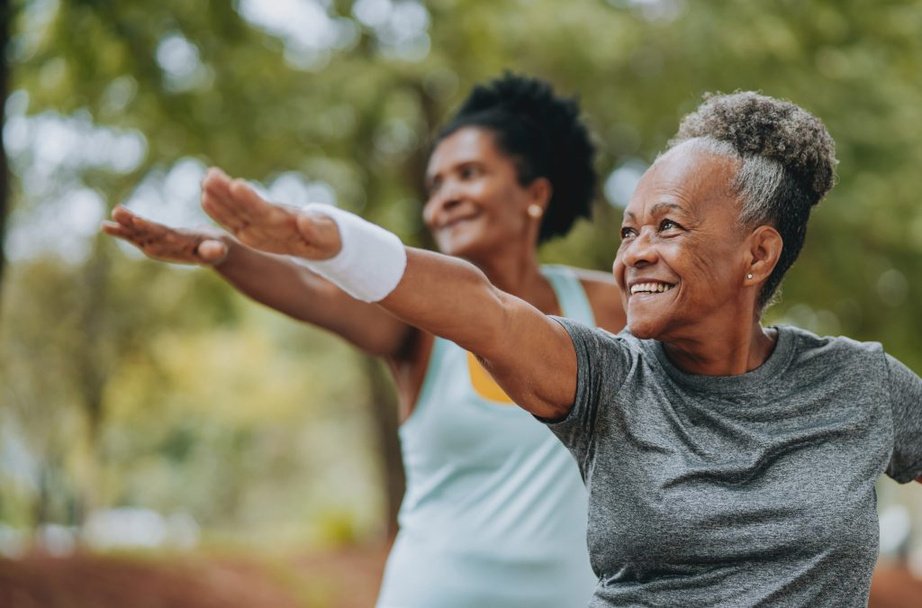
Fitness and wellness coaching to rebuild balance, mobility, functional strength, and movement confidence after medical clearance when appropriate.
Readiness Screening
A fall can affect both physical ability and confidence. The first step is understanding what happened, what care was received, which activities have changed, and whether fitness coaching is currently appropriate.
JB Per4mance does not diagnose injuries or replace physical therapy. Clients with pain, neurological symptoms, recent surgery, or incomplete rehabilitation should work with the appropriate licensed provider. When cleared for fitness training, the program can support the next stage of rebuilding capacity.
We establish
- Current activity and confidence levels
- Movements or environments being avoided
- Relevant healthcare guidance
- Practical goals for returning to activity
Baseline and Confidence Building
Coach B observes comfortable movement patterns and identifies exercises that allow the client to experience successful, controlled repetitions. Early sessions may emphasize chair transfers, supported balance, weight shifting, walking mechanics, and foundational strength.
Confidence grows through appropriate practice. The objective is not to force a client into movements that feel unsafe, but to expand ability gradually while maintaining clear communication and useful support.
Early priorities
- Safe setup and stable support
- Lower-body and trunk strength
- Controlled transitions and stepping
- Breathing, pacing, and body awareness
- Positive evidence of improvement
Progressive Fitness and Independence
As capacity improves, sessions progress toward the activities the client wants to regain. Training may introduce more demanding balance positions, longer walking intervals, direction changes, carrying, reaching, and other real-world tasks.
The longer-term goal is independence: greater confidence in everyday movement and a sustainable routine that supports continued strength. Progress is reviewed regularly, and the program is adjusted to remain relevant.
Progress can include
- Smoother sit-to-stand movement
- Less reliance on external support
- Improved walking and turning control
- Greater participation in daily activities
- More confidence in community settings
Elite Longevity Training
Strength, mobility, balance, coordination, and recovery for adults who want to remain active, capable, and independent.
Healthy Aging With Purpose
Longevity training prepares you for meaningful demands: travel, stairs, hobbies, recreation, family activities, carrying household items, getting to and from the floor, and moving confidently through the community.
Each program is individualized and sustainable. Training provides enough challenge to build capacity without confusing exhaustion with effectiveness. Consistency, recovery, and useful progression guide the process.
Program benefits
- Practical whole-body strength
- Balance and coordination
- Mobility for everyday tasks
- Improved work capacity
- Long-term movement confidence
Athletic Performance
Purposeful development of strength, speed, coordination, movement efficiency, and the habits that support consistent performance.
Performance Built From the Ground Up
Coach B brings the perspective of a former NCAA Division I student-athlete to the development process. Programming considers the athlete’s sport, age, experience, schedule, current ability, and performance goals.
Sessions may develop foundational strength, acceleration, deceleration, change of direction, coordination, trunk control, mobility, and work capacity. Athletes also learn how to prepare, respond to feedback, maintain quality, and understand the purpose behind their training.
Performance priorities
- Efficient movement mechanics
- Strength, speed, and power foundations
- Controlled acceleration and deceleration
- Agility and change of direction
- Confidence, accountability, and preparation

Start With an Assessment
Begin with a free consultation, then choose individual sessions, recurring packages, small-group coaching, or a tailored facility partnership.